How Custom Process Hoppers Can Revolutionize Your Manufacturing Workflow
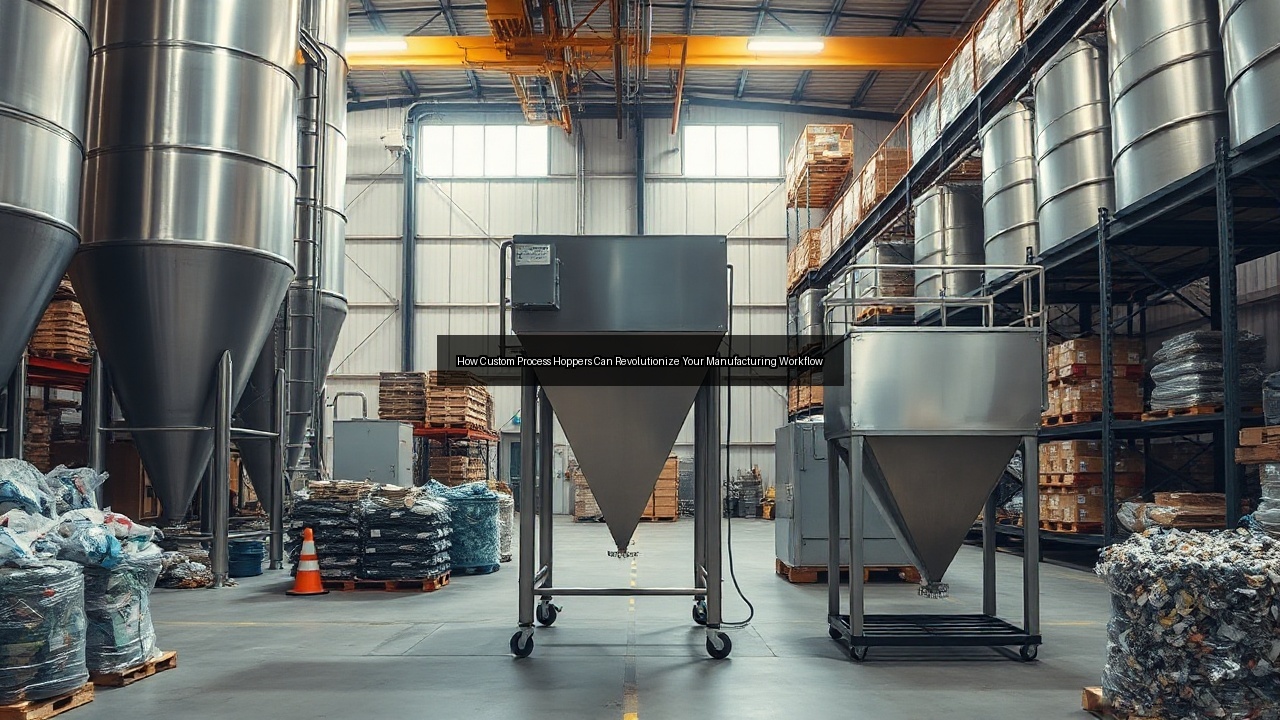
The Role of Custom Process Hoppers in Modern Manufacturing
Understanding Custom Process Hoppers
Custom process hoppers serve as a pivotal component in the manufacturing landscape, specifically designed to manage bulk materials efficiently. These hoppers are tailored to meet the unique requirements of a production line, ensuring optimal flow and storage of materials. Unlike standard hoppers, custom options allow manufacturers to specify dimensions, shapes, and materials that suit their specific operational needs. This customization becomes essential when dealing with various substances, whether they be granular materials, powders, or even scrap for recycling. By accommodating different bulk materials, custom process hoppers enhance the overall workflow, reducing bottlenecks and improving productivity.
Benefits of Customization in Manufacturing
Customization in manufacturing yields substantial benefits that directly affect productivity and efficiency. Tailoring hoppers to specific dimensions enables companies to maximize space utilization within their facilities. For instance, a well-designed hopper can fit seamlessly into existing layouts, optimizing workflows around conveyor systems and pallet racks. Moreover, custom hoppers can be engineered to facilitate easier loading and unloading of materials, significantly reducing handling time. This strategic approach not only streamlines operations but also minimizes waste and enhances the overall output. Companies that invest in custom process hoppers often find that the upfront costs are offset by long-term efficiency gains.
Integration with Conveyor Systems
Integrating custom process hoppers with conveyor systems is crucial for a cohesive manufacturing workflow. The synergy created between these two components allows for seamless material transfer, minimizing manual handling and potential errors. Custom hoppers can be designed to align perfectly with conveyor entry and exit points, ensuring that materials flow smoothly from one stage of the process to another. This integration significantly increases the speed of operations and reduces downtime, as materials can be automatically fed into production lines without interruption. Additionally, implementing this combination leads to better inventory management, as companies can monitor material levels in real-time, enhancing decision-making processes regarding production and supply chain management.
Enhancing Workflow Efficiency with Custom Process Hoppers
Impact on Productivity and Material Handling
Custom process hoppers significantly impact productivity and material handling efficiency. By streamlining how bulk materials are stored and dispensed, these hoppers reduce the time workers spend managing materials. For example, when a hopper is designed with optimal dimensions for specific bulk materials, it minimizes the chances of clogs and jams, which can severely delay production. Furthermore, the strategic placement of hoppers throughout a manufacturing facility can result in a more organized workflow. Workers can access materials quickly, maintaining a steady pace without interruptions. Enhanced material handling not only boosts productivity but also contributes to a safer workplace by reducing the risk of accidents associated with manual handling.
Optimizing Dimensions for Different Bulk Materials
One of the primary advantages of custom process hoppers lies in their ability to be optimized for varying bulk materials. Each material has distinct properties—such as density, flow characteristics, and particle size—that dictate the ideal hopper design. For example, a cone-shaped hopper may be perfect for materials that flow easily, while a more rectangular design might suit heavier or denser substances. By customizing dimensions to accommodate these variables, manufacturers can ensure that the material moves efficiently through the production line, preventing blockages and enhancing flow rates. This attention to detail in design translates into smoother operations and higher-quality output in manufacturing processes.
Utilizing Stainless Steel and Sheet Metal in Fabrication
The choice of materials in the fabrication of custom process hoppers significantly influences their durability and functionality. Stainless steel and sheet metal are popular options due to their strength, resistance to corrosion, and ease of maintenance. Stainless steel, in particular, is ideal for environments where hygiene is paramount, such as food production or pharmaceuticals. Its non-reactive surface prevents contamination, ensuring that products remain safe for consumption. Additionally, the aesthetic appeal and resilience of stainless steel make it a preferred choice for many manufacturers. Sheet metal, on the other hand, offers versatility and cost-effectiveness, allowing for innovative designs that can accommodate various operational needs. Together, these materials enhance the longevity and effectiveness of custom process hoppers, making them a wise investment for any manufacturing facility.
Safety and Durability: Key Features of Custom Process Hoppers
Importance of Guardrails in Manufacturing Environments
Safety in manufacturing environments cannot be overstated, and custom process hoppers can incorporate features such as guardrails to mitigate risks. Guardrails prevent accidental falls or spills, especially in areas where workers handle bulk materials. They provide a physical barrier that protects employees from hazardous zones, ensuring a safer workspace. Additionally, the presence of guardrails can enhance compliance with safety regulations, demonstrating a company’s commitment to maintaining high safety standards. Investing in hoppers equipped with these protective features not only safeguards employees but also contributes to overall operational efficiency by minimizing disruptions caused by safety incidents.
Choosing the Right Materials for Longevity
Selecting the right materials for custom process hoppers directly impacts their longevity and performance. Durability is key, particularly in environments where hoppers are subject to wear and tear from heavy usage. Materials such as high-strength stainless steel or specially treated sheet metal can withstand harsh conditions, ensuring that hoppers maintain their structural integrity over time. Additionally, choosing materials resistant to corrosion or abrasion prolongs the life of the equipment, reducing the need for frequent replacements. Companies that prioritize durable materials in their custom hoppers typically experience lower maintenance costs and reduced downtime, contributing to a more efficient manufacturing process.
Innovative Designs for Scrap and Recyclables Management
Innovative designs in custom process hoppers can greatly enhance the management of scrap and recyclables in manufacturing. By designing hoppers specifically for collecting scrap materials, companies streamline their recycling processes, ensuring that recyclable materials are efficiently separated and handled. This not only promotes sustainability but also contributes to cost savings, as recycling scrap can reduce raw material expenses. Custom hoppers can incorporate features such as sloped bottoms or multiple compartments, allowing for easy segregation of different types of recyclables. By embracing these innovative designs, companies position themselves as environmentally responsible while simultaneously improving their operational workflow.
Selecting the Right Custom Process Hopper for Your Company
Factors to Consider: Size, Shape, and Functionality
Selecting the right custom process hopper requires careful consideration of size, shape, and functionality. Companies must analyze their specific needs related to bulk materials, available space, and overall workflow. The size of the hopper is crucial; it should accommodate the volume of materials handled while fitting comfortably within the facility's layout. The shape also plays a significant role; different shapes can affect material flow and ease of access. Functionality is essential—hoppers may need gates for controlled dispensing or casters for mobility. A thorough assessment of these factors enables companies to choose hoppers that enhance efficiency and integrate seamlessly into their operations.
The Role of Casters and Gates in Mobility and Access
Casters and gates are vital features in the design of custom process hoppers, directly influencing mobility and access. Hoppers equipped with casters allow for easy repositioning within a facility, which can be particularly beneficial for companies with dynamic workflows. This flexibility enables manufacturers to adapt to changing needs without significant downtime. Gates, on the other hand, facilitate controlled dispensing of materials, ensuring that workers can access the required quantity without spillage or waste. Together, these features enhance the functionality of hoppers, providing manufacturers with tools to optimize their operations effectively.
Case Studies: Successful Implementations in Warehousing and Manufacturing
Real-world case studies highlight the successful implementation of custom process hoppers in various manufacturing and warehousing settings. In one example, a concrete manufacturing plant integrated custom hoppers into its production line to handle different types of aggregates. The tailored design significantly improved material flow and reduced loading times, resulting in a marked increase in productivity. Another case involved a recycling facility that utilized custom hoppers for effective scrap separation. The innovative design allowed for efficient sorting and processing, enhancing the facility's recycling capabilities while minimizing contamination risks. These examples underscore the transformative potential of custom process hoppers in enhancing workflow and operational efficiency across industries.
See Also
- From Design to Delivery: The Journey of Custom Process Hoppers
- Innovative Designs in Custom Process Hoppers Transforming the Recycling Industry
- Adapting Custom Hoppers for Different Materials and Applications
- From Scrap to Steel How Custom Hoppers Optimize Material Flow
- Choosing the Right Material for Your Custom Process Hopper