Unleashing Creativity in Wire Forming Techniques for Innovative Prototyping
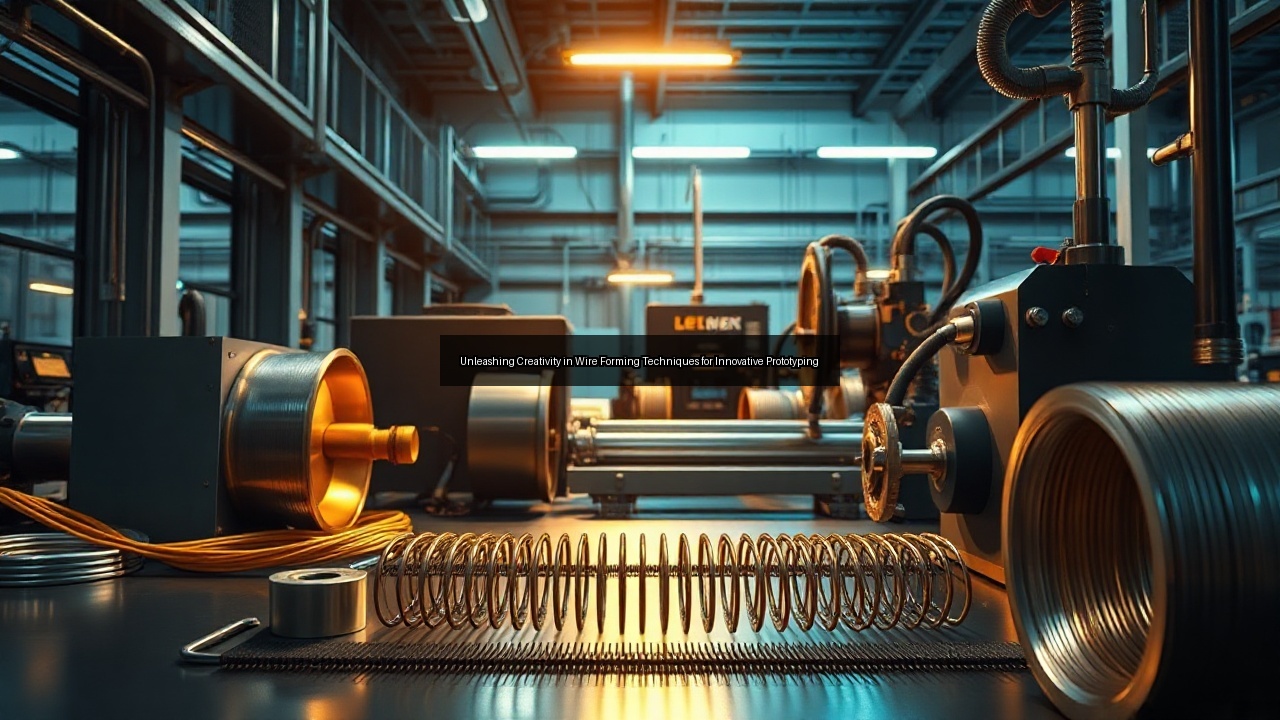
Exploring Wire Forming Techniques in Prototyping
Understanding Wire Forming Processes
Wire forming involves manipulating wire into specific shapes and configurations, a vital process in prototyping. This technique encompasses various methods that transform raw wires into intricate designs suitable for diverse applications. The process begins with selecting the right diameter of wire, which significantly impacts the strength and flexibility of the final product. Different wire shapes emerge from various forming processes, such as bending, coiling, and extrusion, each serving distinct purposes in engineering and design.
Formers often utilize specialized machines that employ both manual and automated techniques. Manual wire forming allows for greater artistic expression, while automated systems enhance precision and efficiency. Computer Numerical Control (CNC) technology has revolutionized wire forming, enabling highly accurate and repeatable designs. CNC machines can produce complex wire forms that would be nearly impossible to achieve manually, thus bridging the gap between creativity and technical feasibility. By understanding these processes, engineers and designers can unleash their creativity, crafting innovative prototypes that meet industry demands.
The Role of Diameter and Tolerances in Wire Shapes
The diameter of wire plays a crucial role in determining its mechanical properties, including strength, stiffness, and flexibility. When designing prototypes, engineers must select the appropriate wire diameter to match the intended application. A thicker wire may provide greater strength but can limit flexibility, while a thinner wire offers the opposite. This balance is essential in applications ranging from aerospace components to intricate coil springs used in various machines.
Tolerances also become a critical aspect of wire forming. Tolerances refer to the allowable variation in dimensions, which can significantly affect the functionality wire forming capabilities of the formed wire parts. Tight tolerances are essential in precision applications where components must fit together seamlessly, such as in automotive or aerospace engineering. Understanding and applying the correct tolerances ensures that wire shapes perform as intended and meet safety standards.
Engineers must carefully evaluate both diameter and tolerances during the design phase. Communication between designers and manufacturers is vital to ensure that the final product aligns with the original vision, minimizing the risk of costly revisions. This synergy fosters innovation and enhances the overall prototyping process, leading to successful product development.
Innovative Wire Forming Methods for Prototyping
Innovative wire forming methods have emerged, offering new possibilities for prototyping. One such method is 3D wire printing, which combines traditional wire forming with modern additive manufacturing techniques. This approach allows for the creation of complex wire forms that can be customized on-demand, significantly reducing lead times. Designers can experiment with shapes and structures in real-time, facilitating a more agile prototyping process.
Another noteworthy technique is progressive die forming, which utilizes a series of dies to shape wire continuously. This method enhances efficiency and precision, making it ideal for high-volume production runs. Progressive die forming supports the creation of intricate designs with minimal waste, a crucial factor in sustainable manufacturing practices.
Additionally, advancements in materials have expanded the possibilities of wire forming. The introduction of specialized alloys and composite materials allows for enhanced performance characteristics, such as corrosion resistance or lightweight properties. Engineers can now design wire forms that not only meet functional requirements but also offer aesthetic appeal. These innovative methods and materials empower designers and engineers to push the boundaries of creativity in prototyping.
Materials and Machinery in Wire Forming
Choosing the Right Materials: Stainless Steel vs. Steel
The choice of materials in wire forming significantly influences the durability and functionality of the final product. Stainless steel and carbon steel are two common materials used in wire forming, each offering unique properties. Stainless steel is renowned for its corrosion resistance, making it an ideal choice for applications in environments susceptible to moisture or chemicals. Its strength and aesthetic appeal make stainless steel a popular option in various designs, especially in consumer products and aerospace components.
On the other hand, carbon steel provides excellent strength and is generally more cost-effective than stainless steel. This material is widely used in industrial applications where high tensile strength is required. However, carbon steel is more prone to rusting, necessitating protective coatings or treatments for outdoor applications. The decision between stainless steel and carbon steel ultimately depends on the specific requirements of the prototype, including environmental conditions, budget constraints, and desired aesthetics.
Understanding the properties of different materials empowers engineers to make informed decisions, ensuring that their wire forms perform optimally in their intended applications. Proper material selection enhances the overall quality of the prototype while balancing performance and cost.
The Influence of Coil Springs in Design
Coil springs play a pivotal role in wire forming, particularly in applications requiring flexibility and shock absorption. These springs are widely used in various sectors, including automotive, aerospace, and consumer electronics. The design of coil springs involves precise calculations of wire diameter, coil diameter, and the number of coils to achieve the desired load-bearing capacity and spring rate.
When designing coil springs, engineers must consider the material properties, such as tensile strength and elasticity. The choice of wire material affects the spring's performance under load, influencing factors like fatigue life and deflection. Innovations in wire forming techniques have led to the development of specialized coil spring designs that optimize performance while minimizing weight and space. This efficiency is crucial in aerospace applications, where every ounce counts.
Additionally, advancements in computer modeling and simulation have enabled engineers to predict the behavior of coil springs under various conditions. This technology allows for rapid iteration in the design process, resulting in enhanced prototypes that meet stringent industry standards. The integration of coil springs in wire forming not only enhances functionality but also showcases the intricate relationship between design and engineering in creating innovative solutions.
Computer Numerical Control (CNC) in Wire Forming Machines
Computer Numerical Control (CNC) has transformed wire forming by introducing unparalleled precision and efficiency. CNC wire forming machines automate the bending, cutting, and shaping of wire, enabling manufacturers to produce complex designs with minimal human intervention. This technology significantly reduces the margin for error, ensuring that wire forms adhere to tight tolerances required in modern engineering applications.
CNC machines operate based on programmed designs, allowing for quick adjustments to accommodate different wire shapes and sizes. This flexibility is particularly advantageous in prototyping, where rapid iterations are often necessary. Engineers can experiment with various designs without the need for extensive retooling, accelerating the development process.
Moreover, CNC technology enables the integration of multi-axis capabilities, allowing for intricate geometries that were previously challenging to achieve. As a result, wire forming capabilities designers can create wire forms that are not only functional but also aesthetically pleasing. The versatility of CNC wire forming machines positions them as essential tools in the prototyping landscape, driving innovation across industries.
Applications of Wire Forming in Various Industries
Aerospace Applications of Wire Forms
The aerospace industry relies heavily on wire forming techniques to produce components that meet stringent safety and performance standards. Wire forms, such as brackets, supports, and control cables, play critical roles in aircraft design and functionality. These components must withstand extreme conditions, including high temperatures, pressure changes, and corrosive environments. Engineers utilize advanced wire forming methods to ensure that each part meets the rigorous demands of aerospace applications.
Materials selected for aerospace wire forms often include high-strength alloys and corrosion-resistant stainless steel. The use of lightweight materials is paramount in aerospace design, as reducing weight directly impacts fuel efficiency and overall performance. Wire forming techniques allow for the creation of intricate parts that adhere to these weight restrictions while maintaining structural integrity.
Furthermore, the aerospace sector benefits from the precision offered by CNC wire forming machines, enabling the production of complex geometries with tight tolerances. This precision is crucial in ensuring that components fit together seamlessly, enhancing the overall safety and reliability of aircraft. The continuous evolution of wire forming technology will further drive advancements in aerospace engineering, leading to the development of safer and more efficient aircraft.
Engineering Prototypes: From Drawing to Production
Wire forming techniques bridge the gap between initial design concepts and final production in engineering. Prototyping serves as a critical step in the product development process, allowing engineers to validate their designs before full-scale manufacturing. The versatility of wire forming enables rapid prototyping, where engineers can create functional models that closely resemble the final product.
During the prototyping phase, designers often rely on wire forms to test various aspects of their designs, such as fit, function, and aesthetic appeal. By utilizing wire forming methods, engineers can produce prototypes quickly and cost-effectively, enabling iterative testing and refinement. This agility in the prototyping process fosters innovation and enhances collaboration between design and engineering teams.
Moreover, the ability to produce wire forms with high precision helps mitigate risks associated with design flaws. Engineers can identify and address issues early in the development process, ultimately saving time and resources. This synergy between wire forming and prototyping is essential in today's fast-paced engineering landscape, where time-to-market is critical for success.
The Future of Wire Forming Services in Product Development
The future of wire forming services in product development appears promising, driven by technological advancements and the growing demand for customized solutions. As industries continue to evolve, the need for innovative wire forms will increase. Emerging technologies, such as automation and artificial intelligence, are set to revolutionize wire forming processes, enhancing efficiency and precision further.
Additionally, the trend towards sustainability in manufacturing practices will influence wire forming services. Engineers will increasingly seek eco-friendly materials and processes, prompting innovations that minimize waste and energy consumption. Wire forming companies that embrace sustainable practices will likely gain a competitive edge in the market.
Moreover, as industries become more interconnected, the demand for rapid prototyping and on-demand production will grow. Wire forming services will need to adapt to meet these evolving needs, offering flexible solutions that cater to diverse applications. This adaptability will position wire forming as a key player in the future of product development, enabling companies to stay ahead in an ever-changing landscape.
See Also
- How to Choose the Right Brand for Wire Forming Equipment
- Innovative Wire Forming Systems Transforming Industrial Production
- Mastering Wire Forming Techniques for Enhanced Product Reliability
- From Drawing to Creation Understanding the Wire Forming Process
- Wire Forming Capabilities That Elevate Manufacturing Standards